
How Early Education Shapes Your Child’s Future Success: A Complete Guide for Parents
Home » Education » How Early Education Shapes Your Child’s Future Success: A Complete Guide for Parents
Parents want the best start for their children, but conflicting early education advice makes choices overwhelming. Should you focus on academics or play? How do you choose the right learning environment? And most importantly, what really matters in those crucial early years? The truth is, early childhood education is far more significant than many parents realize. Research consistently shows that the experiences children have before age six don’t just prepare them for school.
They literally shape how their brains develop and influence everything from emotional regulation to problem-solving abilities. Understanding what quality early education looks like, and how to find it, might be one of the most important decisions you’ll make as a parent.
This comprehensive guide explores the critical elements of early childhood education, from understanding developmental milestones to choosing the right educational approach for your family. Whether you’re just beginning to research options or refining your current choices. You’ll discover practical insights to help your child thrive during these formative years.
The Science Behind Early Brain Development
The first five years of a child’s life represent an extraordinary period of brain development. During this time, a child’s brain forms more than one million neural connections every second. It is a pace that will never be repeated throughout their lifetime. These connections form the architecture for all future learning, behavior, and health.
What makes this period so critical is that these neural pathways are shaped by experience. Every interaction, every challenge, and every discovery strengthens certain connections while allowing others to fade away. This process is known as neural pruning, which means that the quality of early experiences directly influences which pathways become permanent fixtures in a child’s brain.
Neuroscientists have discovered that different areas of the brain develop at different rates. The sensory pathways, vision, and hearing develop first, and they followed by language and higher cognitive functions. This developmental sequence explains why early exposure to rich language environments has such a profound impact on later academic success. It is important in early childhood education
Children who hear more words and engage in more conversations during their early years consistently show stronger language skills. They read better read comprehend, and enhance problem-solving abilities throughout their education.

Why Play-Based Learning Matters More Than Worksheets
Many parents worry that their children need formal academic instruction as early as possible to stay competitive. However, decades of research reveal a surprising truth. Play-based learning produces better long-term outcomes than early academic drilling.
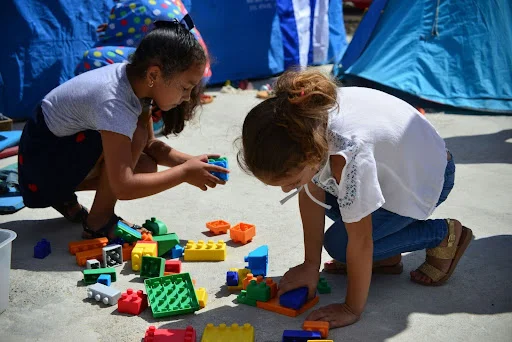
When children engage in meaningful play, they’re not just having fun, and they’re building essential cognitive skills. Block building develops spatial reasoning that later translates to mathematics proficiency.
Pretend play strengthens executive function skills like planning, flexibility, and self-control. Even simple activities like pouring water between containers teach concepts of volume, measurement, and cause-and-effect relationships.
The keyword here is “meaningful.” Not all play provides equal developmental benefits. High-quality early learning environments carefully structure play experiences to challenge children appropriately while following their interests.
Educators in these settings act as facilitators, asking open-ended questions, introducing new materials at the right moments, and helping children reflect on their discoveries.
Quality childcare centres understand this balance perfectly. Small Wonder early learning childcare centres focus on creating rich play environments for children. These spaces encourage exploration, experimentation, and learning through hands-on experiences. Trained educators guide the process with a deep understanding of children’s developmental stages.
This method recognizes that children learn best when they’re actively engaged with materials, peers, and supportive adults who scaffold their learning journey. Contrast this with worksheet-based programs that focus on rote memorization and sedentary activities.
While these programs might produce children who can recite facts or recognize letters earlier. Research consistently shows that these early academic advantages disappear by third grade. Children who spend their early years in play-based environments develop stronger creativity and problem-solving abilities.
They also build better social skills and a genuine love for learning. These advantages grow and compound over time, supporting long-term success in early childhood education.
The Critical Role of Social-Emotional Development
While cognitive development receives the most attention, social-emotional skills are equally, if not more, important for long-term success. The ability to understand and manage emotions, develop empathy, form healthy relationships, and navigate conflicts effectively predicts outcomes ranging from academic achievement to career success and mental health in early childhood education.
Young children need consistent opportunities to practice these skills in safe and supportive environments. This happens through countless daily interactions, such as learning to share materials, resolving disagreements with peers. Expressing frustration appropriately and understanding how their actions affect others.
Quality early education programs prioritize these experiences. Children learn emotional vocabulary to name their feelings. They practice strategies for calming down when upset. They work through the complex social dynamics of group play with guidance from skilled educators who model empathy and problem-solving.
These skills have remarkable staying power. Studies following children from preschool into adulthood highlight the importance of social-emotional competence. Early development in this area predicts stronger long-term outcomes. These include higher educational attainment, stable employment, and better physical health even decades later.
Children who struggle with emotional regulation and social skills in their early years, conversely, face increased risks for academic difficulties, behavior problems, and mental health challenges. Parents should look for programs that explicitly teach and practice these skills rather than assuming children will naturally develop them.
The best environments create a culture of kindness, respect, and emotional awareness that permeates every interaction.
You may also like: What You Should Know Before A Career in Education
Language Development: The Foundation of All Learning
Language is the currency of learning. Children use language to ask questions, understand concepts, express ideas, and connect with others. The language skills children develop before kindergarten strongly predict their reading ability, academic achievement, and even social success throughout schooling.
The most effective way to build language skills isn’t through flashcards or apps. It’s through rich and responsive conversations with caring adults. When adults engage in back-and-forth conversations with children, they ask open-ended questions and expand on children’s ideas. It introduces new vocabulary in context, and they’re building powerful language foundations.
However, not all talk is equally beneficial. The critical factor is conversational turns, the back-and-forth exchanges where children actively participate rather than passively listening. Research using special recording devices has studied children’s language environments.
Findings show that the number of conversational turns a child has is very important. These turns predict language development more accurately than simply hearing many words. It is an important factor for early childhood education.

Bilingual Education: Advantages That Last a Lifetime
In our interconnected world, the ability to speak multiple languages offers tremendous advantages. Parents increasingly recognize that early childhood represents an optimal window for language acquisition, when children’s brains are uniquely primed to absorb new languages effortlessly.
The benefits of bilingual education extend far beyond communication. Research consistently shows that bilingual children have stronger executive function skills. These are the cognitive abilities that help with planning, focusing attention, and remembering instructions. They also support juggling multiple tasks more effectively.
These advantages appear because managing two languages constantly exercises the brain’s control systems, strengthening them like muscles through regular use. Bilingual children also demonstrate greater cognitive flexibility. Finding it easier to think about problems from multiple perspectives and adapt to new situations.
They show enhanced metalinguistic awareness and understanding of how language works, which translates to stronger reading skills and easier acquisition of additional languages later in life.
Many parents worry that learning two languages simultaneously will confuse children or delay language development. Decades of research have thoroughly debunked these concerns. While bilingual children may initially have slightly smaller vocabularies in each language.
Their total vocabulary across both languages exceeds that of their monolingual peers. Any temporary developmental differences disappear completely by school age, while the cognitive and practical advantages persist for life.
For families seeking high-quality bilingual education, international schools offer immersive environments where children naturally absorb languages through daily use. A reputable Singapore English school provides this immersive experience. They are combining rigorous academic standards with international perspectives that prepare children for global citizenship.
These environments don’t just teach languages. They create communities where multilingualism is the norm and cultural diversity is celebrated. It gives children confidence in their ability to navigate different linguistic and cultural contexts.
The key to successful bilingual education is consistency and quality. Children need substantial exposure to both languages in meaningful contexts, with fluent speakers modeling proper usage. Programs that integrate languages throughout the day, rather than treating them as isolated subjects, produce the strongest results.

Choosing the Right Educational Approach for Your Child
With countless educational philosophies available, Montessori, Reggio Emilia, Waldorf, traditional academic programs, and hybrid approaches. Choosing the right fit can feel daunting. Understanding the core principles behind different approaches helps parents make informed decisions aligned with their values and their child’s needs.
Montessori education emphasizes independence, hands-on learning with specially designed materials, and mixed-age classrooms. Children choose activities from available options, working at their own pace with minimal teacher direction. This approach particularly suits children who thrive with structure and routine but appreciate autonomy in their learning.
Reggio Emilia programs view children as capable researchers and creative thinkers. These programs emphasize project-based learning, artistic expression, and documentation of children’s thinking processes.
The environment is considered the “third teacher”, carefully designed to provoke curiosity and exploration. This approach works well for families who value creativity, collaboration, and emergent curriculum that follows children’s interests.
Waldorf education focuses on imagination, rhythm, and developmental stages. Academic instruction is delayed in favor of artistic activities, storytelling, and nature-based experiences. This philosophy suits families seeking to preserve childhood innocence and limit technology exposure while fostering creativity.
Traditional academic programs prioritize school readiness skills, structured lessons, and teacher-directed learning. While this approach can produce children who enter kindergarten with strong letter and number recognition, parents should ensure that ample time remains for play and social development.
The reality is that no single approach is universally superior. The best choice depends on your child’s temperament, learning style, and your family’s values. Some children thrive with structured routines and clear expectations, while others need more flexibility and choice. Some families prioritize early academics, while others value creativity and social development above measurable skills.
When evaluating programs, look beyond the stated philosophy to observe how it’s implemented. Visit classrooms during operating hours. Watch how teachers interact with children, do they listen attentively, ask thoughtful questions, and show genuine respect? Observe the children, do they appear engaged, happy, and appropriately challenged? Trust your instincts about whether an environment feels right for your unique child.
Red Flags and Green Flags: Evaluating Quality
Not all early childhood programs are created equal. Research has identified specific quality indicators that predict positive outcomes for children. Understanding these markers helps parents distinguish truly excellent programs from those that simply look appealing.
Green flags to look for:
Strong teacher qualifications and low turnover rates indicate that educators have the knowledge and support necessary to nurture development effectively. Teachers with degrees in early childhood education understand developmental stages and age-appropriate practices.
Low child-to-teacher ratios ensure that each child receives adequate individual attention. Recommended ratios vary by age, but generally, younger children need more adults present.
Rich and organized learning environments with clearly defined areas for different activities. Dramatic play, blocks, art, books, and science allow children to make meaningful choices and engage deeply with materials.
Positive teacher-child interactions characterized by warmth, respect, and responsiveness create the secure relationships that enable learning. Watch for teachers getting down at children’s eye level, listening attentively, and responding thoughtfully.
Red flags to watch for:
Overemphasis on worksheets and sedentary activities for young children contradicts developmental research and may actually hinder long-term learning. Harsh discipline, raised voices, or shaming indicate a lack of understanding about developmentally appropriate guidance strategies.
Excessive screen time substitutes for active learning experiences and human interaction that young brains need. Lack of outdoor play deprives children of important gross motor development, sensory experiences, and connection with nature.
Programs that can’t clearly articulate their philosophy or show how daily practices support child development may lack planning.
The Parents’ Role: Supporting Learning at Home
Even the highest-quality program can’t replace the foundational learning that happens at home. Parents remain their children’s first and most important teachers, and daily interactions profoundly impact development.
The most powerful thing parents can do is talk with their children, not at them, but with them in genuine conversations. Narrate your day, explain what you’re doing and why, ask your child’s opinions and ideas, and follow their lead in conversations. These interactions build vocabulary, reasoning skills, and emotional connections simultaneously.
Reading together daily provides immeasurable benefits. Choose books your child enjoys rather than forcing educational content. Make reading interactive by asking questions, relating stories to your child’s experiences, and letting them fill in familiar phrases.
Remember that rereading favorite books isn’t boring—it’s how children develop language patterns, anticipation, and deep comprehension.
Provide open-ended materials that encourage creativity: blocks, art supplies, cardboard boxes, dress-up clothes, and simple toys that can be used in multiple ways. Expensive educational toys matter far less than time, attention, and opportunities for self-directed play.
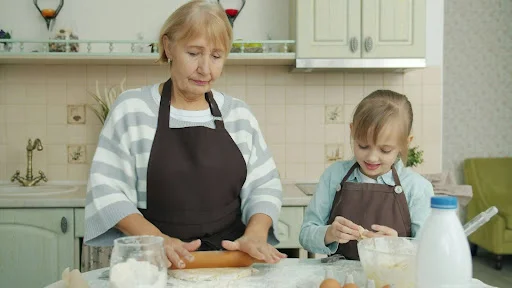
Most importantly, prioritize your relationship with your child. Your child’s security, confidence, and love of learning flow from the bond you build through everyday moments, meals together, bedtime routines, walking to the park, and solving small problems together. These interactions matter more than any program or curriculum.
Looking Forward: Setting Your Child Up for Lifelong Success
The goal of early education isn’t to create miniature academics or rush children through developmental stages. Instead, it’s about nurturing curious, confident, emotionally intelligent individuals who love learning and possess the skills to navigate an unpredictable future.
This means prioritizing experiences over achievements, understanding over memorization, and character over performance. Children who spend their early years exploring, creating, collaborating, and solving problems develop the adaptability, creativity, and resilience that will serve them throughout life.
As you make decisions about your early childhood education, remember that you’re not just choosing a program for next year, you’re laying foundations for decades to come. Take time to find environments that truly understand child development, respect your child’s individuality, and partner with you in nurturing your child’s unique potential.
The investment you make in these early years, whether through choosing quality programs, creating rich home learning environments, or simply being fully present with your child, pays dividends that compound throughout their lifetime.
Your child’s future success, academically, professionally, and personally. It is being shaped right now through the experiences, relationships, and opportunities you provide during these irreplaceable early years.
By understanding what truly matters in early childhood education and making intentional choices aligned with research and your child’s needs, you’re giving your child something priceless: the strongest possible foundation for a lifetime of learning, growth, and flourishing. That’s the ultimate goal of early education, and it’s absolutely within your reach and essential in early childhood education.
 All Nouns That Start With W in English
 All Nouns That Start With V in English
 All Nouns That Start With U in English