
Why Environmental Literacy Is No Longer Optional
Home » Education » Why Environmental Literacy Is No Longer Optional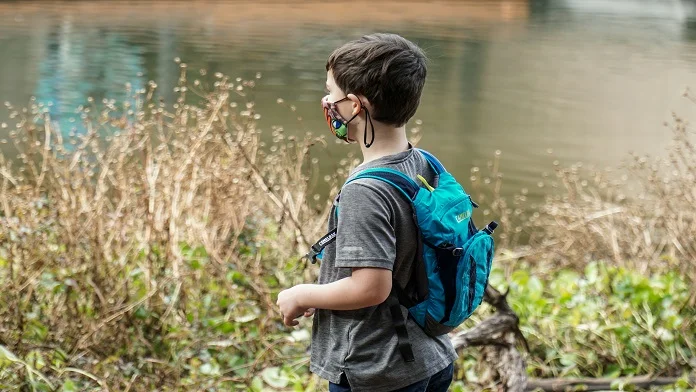
Take a quick look at the news- wildfires, water shortages, toxic spills, and record heatwaves. You don’t need to be a scientist to see that environmental problems are no longer abstract or far-off. They’re local, urgent, and personal. And that’s exactly why environmental literacy can’t be treated like an elective anymore.
We’re raising a generation that will live with the consequences of our choices. They’ll inherit ecosystems altered by climate change, biodiversity loss, and pollution we still don’t fully understand. If they’re going to respond with clarity instead of fear, they need more than awareness. They need environmental literacy.
What Environmental Literacy Means
We’re not talking about memorizing a few facts about the ozone layer. Environmental literacy refers to understanding how human actions impact natural systems both economically, socially, and biologically. It’s about asking smart questions like:
- How does my food get to my plate?
- Why does a plastic bottle outlive me by centuries?
- Who’s most affected by environmental damage, and why?
Students must understand how science, policy, and consumption lead to real-world consequences. Otherwise, they’ll grow up reacting to problems they never saw coming.
The good news is that support for this kind of learning is high. Climate change education has strong support, with over 86% of U.S. teachers and 84% of parents in favor, according to the Columbia Climate School. But that support hasn’t fully translated into classroom reality.
A USA Today report found that some curricula still downplay climate content, and many teachers say the topic falls outside their expertise.
As Amara Ifeji, a young environmental justice advocate, put it, some states have updated their standards. But many schools still lack the funding or political backing to make climate literacy a meaningful, interdisciplinary part of education. As a result, students in one district may get hands-on lessons about rising sea levels, while others barely touch the subject at all.
Why the Old Curriculum No Longer Works
Traditional science education touches on topics like weather patterns, pollution, and conservation. But it often misses the systems thinking that makes those topics meaningful.
We teach students how plants photosynthesize, but not how industrial agriculture affects soil. We mention carbon dioxide, but gloss over how consumer habits drive emissions. We might mention a chemical spill once in a case study. But we rarely explore how those chemicals end up in our daily lives to begin with.
Take firefighting foam, for example. It sounds like something distant from your average classroom, until you realize it contains PFAS- per- and polyfluoroalkyl substances. According to TorHoerman Law, these are so-called “forever chemicals” that don’t break down in the environment. They’ve been found in drinking water, soil, and even human blood.
Why? AFFF (aqueous film-forming foam), used in fire suppression, was allowed to seep into aquifers and rivers for decades. This widespread exposure has led to the filing of the AFFF lawsuit, as people seek accountability and long-overdue cleanup.
This is the kind of real-world issue students deserve to explore, not just in chemistry class, but in civics, history, and even economics. It’s a clear example of how life-saving tools can cause long-term harm when systems ignore environmental impact.
Students Are Asking for More
Kids and teens are already paying attention. Climate protests led by high schoolers and social media pages debunking sustainability myths show just how tuned in this generation is. Campus groups focused on environmental justice only add to that momentum. They want to understand what’s happening and how they can make a difference.
And it’s not just interest; it’s emotional weight. A global survey reported by the Geneva Environment Network found that 59% of young people feel very worried about environmental issues. Nearly half also report feelings of sadness, anxiety, anger, helplessness, or guilt.
That kind of emotional weight deserves more than acknowledgment. It demands a structured, honest response in the classroom. Yet many students are still left with surface-level information or outdated curricula.
What students need is environmental education that connects science to the systems they live in every day. This involves understanding how waste is managed, how policy influences land use, and how daily choices impact air, water, and ecosystems.
We Don’t Need to Scare Students, We Need to Equip Them
Some educators worry that teaching too much about environmental crises might overwhelm or frighten young learners. But sheltering them doesn’t help. What does help is showing them where their agency lies.
Environmental literacy isn’t about telling students that the world is ending. It’s about teaching them to recognize patterns, evaluate evidence, and imagine better systems. It’s about giving them the tools to design green infrastructure, reduce waste, restore degraded land, or rethink energy use.
When kids can identify problems and understand how solutions work at any scale, they feel empowered. And that’s what education is supposed to do.
Moreover, it doesn’t have to be dry or heavy. In Latin America, for example, environmental education is gaining momentum through creative, student-led projects. In Colombia, kids make useful products from coffee waste.
In Mexico, one school figured out how to recycle water on campus. These are more than just science projects. They’re real-world solutions that make learning exciting and meaningful.
When students understand how problems work and get a taste of solving them, even at a small scale, they feel empowered. That’s the kind of education that sticks and the kind the planet needs.
Where Can Schools Start
No one’s saying we need to turn every school into an environmental institute.
- Integrate real-world case studies into science, social studies, and language arts.
- Bring in guest speakers from local farmers to engineers working in clean energy.
- Encourage outdoor learning to build a sense of place and stewardship.
- Use school operations as a lab, from energy audits to waste tracking.
- Discuss current events like chemical contamination or climate migration in age-appropriate ways.
None of this requires reinventing the wheel. It just means acknowledging that the environment isn’t a separate subject; it’s the context for everything.
Discover more: Top 11 Digital Education Tools For Teachers And Students
FAQs
How does environmental education impact mental health in young people?
A lack of environmental education can raise eco-anxiety in students, while teaching solutions, context, and problem-solving skills can reduce stress and build confidence and resilience.
Why do some schools avoid teaching environmental issues even if there’s public support?
Many teachers say environmental topics fall outside their training or subject area. Others face pressure from local politics or lack curriculum materials that align with state standards. Even when support exists, implementation often hits barriers related to funding, time, or institutional inertia.
Can environmental literacy help close equity gaps in education?
Environmental education helps students connect climate issues with social justice. It builds awareness and resilience, especially in underserved communities. This knowledge prepares them for the future.
 All Nouns That Start With W in English
 All Nouns That Start With V in English
 All Nouns That Start With U in English