
Why Children Should Learn Basic Phrases in Local Languages Before Travelling
Home » Education » Why Children Should Learn Basic Phrases in Local Languages Before Travelling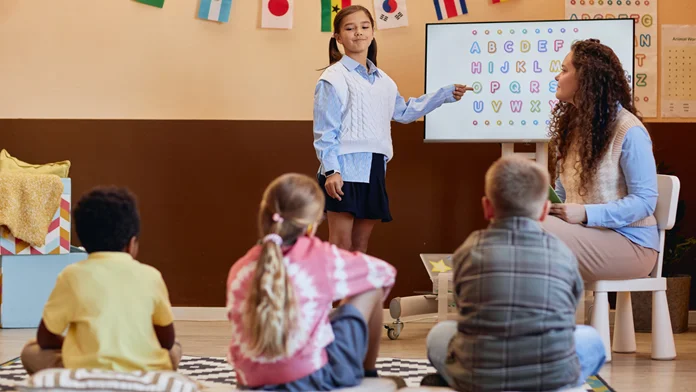
Before the chaos of packing and the final dash to the airport, it’s worth taking a moment for one last bit of prep. It doesn’t involve folding clothes or finding passports. It’s about spending half an hour teaching the kids how to say ‘hello’, ‘please’, and ‘thank you’ in the language of the place you’re heading to. Kids’ travel language learning sounds small, but it can completely change the feel of your trip.
Making a Real Connection
Think about the person serving you in a café or a shop. They deal with tourists all day, most of whom expect to be understood in English. When a child pipes up with a carefully pronounced ‘gracias’ or ‘merci’, it often breaks the routine. You see a flicker of surprise, then usually a genuine smile.
In that moment, your family isn’t just another group of tourists. You’re people are making an effort. For a child, seeing that positive reaction first-hand is a powerful lesson. It teaches them that a little consideration goes a long way and that their own language isn’t the centre of the universe.
Kids travel language learning is a gentle but effective way to show them that the world is beautifully diverse and that we are guests in other people’s cultures, not the main event.
A Boost to Their Confidence
That little jolt of success a child gets from being understood is huge. It’s one thing for them to learn a word at home, but quite another to use it in the real world and have it work. Suddenly, they’re not just being dragged around another old church or museum, looking bored.
Instead, they are a capable person who can buy their own loaf of bread from the baker or confidently ask where the toilets are. This is a big deal for any kid, but if you are a foster carer with Orange Grove Foster Care. You’ll know that opportunities for a child to feel genuinely competent and independent can be incredibly valuable.
It’s a memory of success that belongs entirely to them. This kind of positive reinforcement builds on itself, giving them more courage to try new things, not just on holiday, but back at home too.
Getting Stuck In, and Staying Safe
There’s also a very sensible reason to arm your children with a few local words. Knowing how to say ‘help’ or ‘I’m lost’ provides a little safety net. It gives you and them a bit more peace of mind. But beyond the practicalities, it helps them get properly involved.
Kids’ travel language learning stops them from being a passive spectator on the family holiday. Suddenly, street signs become a game of spot-the-word, and menus are a puzzle to be solved. They’re not just being ferried from sight to sight anymore.
They are active participants in the adventure, making the whole trip far more engaging for them. The holiday becomes a living classroom, but without the pressure of school. They are absorbing new sounds and sights because they are curious, which is the most effective way for any child to learn.
Nobody is expecting a perfectly conjugated verb or a flawless accent. The goal here isn’t fluency. It’s about showing a willingness to connect, and in doing so. You give your children a gift that lasts much longer than their suntan.
You’re giving them a story to tell, a little bit more confidence in their own abilities, and a glimpse into what it means to be a thoughtful visitor in someone else’s home. It’s a simple action with a profound impact, turning a good holiday into a great one.
You may also like: Improving Italian Language Skills with Digital Lessons and Playful Resources
 Hobbies That Start With A | Fun Hobbies Word List
 All Nouns That Start With W in English
 All Nouns That Start With V in English