
Why Patience and Empathy Are Important Career Skills for Nursing Home Caregivers
Home » Informational » Why Patience and Empathy Are Important Career Skills for Nursing Home Caregivers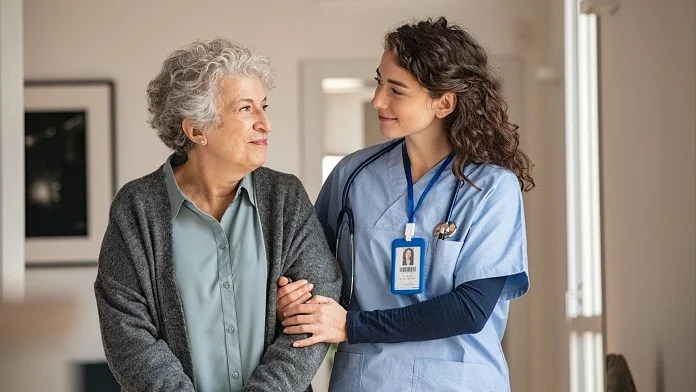
Working in a nursing home requires more than just medical knowledge. While technical training ensures treatments are carried out correctly. Patience and empathy in nursing care are the soft skills that shape how residents experience care daily.
Patience and empathy, in particular, stand out as essential for building trust and promoting dignity. Without them, even the best clinical care can feel impersonal or detached.
When These Soft Skills Are Absent
When nursing home caregivers lack patience and empathy. It can lead to several negative consequences for residents. For instance, residents may feel isolated, neglected, and frustrated.
In some cases, those who lack empathy and patience in nursing care may unintentionally contribute to neglect or even outright abuse. Families who suspect mistreatment often turn to outside help to protect their loved ones.
As stated by the Colorado Department of Human Services, aged residents of nursing homes are protected by Adult Protective Services (APS). 25,000 cases of mistreatment or self-neglect are reported in Colorado annually in statistics.
Suppose negligence leads to serious harm in a nursing home in Colorado Springs. In such cases, families may consult a Colorado Springs personal injury lawyer to understand their legal rights and hold facilities accountable.
According to Springs Law Group, attorneys can help the victim’s family build strong cases against the care provider. They can help collect evidence and even negotiate with insurance companies.
Not having the right soft skills, like patience and empathy, can result in such severe consequences. These consequences extend beyond emotional harm and may cross into the territory of law.
Why Patience Matters in Elderly Care
Patience and empathy in nursing care are central to everyday tasks in nursing homes. Residents may need extra time to complete activities such as eating, walking, or even holding a conversation. This is because people become slower as they age.
According to a JNeurosci Journal study, these slower movements are partly driven by an elevated effort landscape. The mind understands that physical movement in old age can quickly lead to fatigue. Thus, it simply makes a rational response of making the movements slower to address the increased efforts.
This is because brain regions like the hippocampus, which are associated with memory, undergo various changes over time. Thus, residents may take longer to process new information.
A nurse who rushes or shows frustration risks making the resident feel like a burden. In contrast, patience communicates respect and reassurance, which improves both emotional well-being and trust.
This quality also benefits staff.
When caregivers adopt a patient approach, stressful situations become easier to manage. Instead of escalating conflicts or creating tension, patience promotes calmness and stability in the workplace, both of which are vital in long-term care settings.
The Role of Empathy in Building Connections
Patience and empathy in nursing care allow nurses to see residents as more than patients. Listening carefully, acknowledging fears, and validating feelings help strengthen relationships. A resident who feels understood is more likely to cooperate with treatments and daily routines.
By applying empathy, caregivers also gain a deeper perspective on each resident’s background and personality. This can directly impact their caring behavior without making any substantial efforts.
Recognizing the human stories behind the medical needs helps transform care from a checklist of tasks into meaningful support. For residents, this emotional connection can reduce anxiety, improve cooperation, and enhance quality of life.
As a Wiley Online Library study states, having empathy is fundamental in:
- Establishing trust and enhancing the quality of care
- Cycling empathic flow in care
- Practicing altruistic behavior to ensure offering ethical caregiving
The relationship built through empathy can also help residents maintain their mental health. As noted by US News & World Report, friendships are particularly important in late life. In fact, 90% of people aged 50 and older have at least one close friend.
However, residents of nursing care might not be living with their close friends. Caregivers who build strong relationships with residents can help replace these friends to ensure their well-being.
Explore More: The Expanding Role of Nurses in Primary Care Settings
Frequently Asked Questions
Can patience and empathy be learned, or are they natural traits?
While some people may naturally exhibit patience and empathy. There are many useful tools, like training programs, reflection exercises, and hands-on experience in caregiving settings.
What role do families play in supporting empathy and patience in nursing homes?
Families play a crucial role in helping caregivers connect with residents on a deeper level. By sharing information about a resident’s personal history, preferences, hobbies, and routines, families give staff tools to provide more empathetic and patient-centered care.
Do cultural differences affect how empathy and patience are expressed in nursing homes?
Yes, cultural differences can shape how empathy and patience are understood and expressed. For example, in some cultures, respect is shown through physical closeness, while in others it is conveyed through maintaining personal space. Language barriers, religious practices, and family traditions also influence how residents wish to be cared for.
 How School Counseling Shapes Student Growth Beyond Academics
 How an MSN Can Change Your Nursing Career Path
 Should You Pursue a Health Informatics Master’s Degree?