
The Benefits of Learning a Musical Instrument at Any Age
Home » Informational » The Benefits of Learning a Musical Instrument at Any Age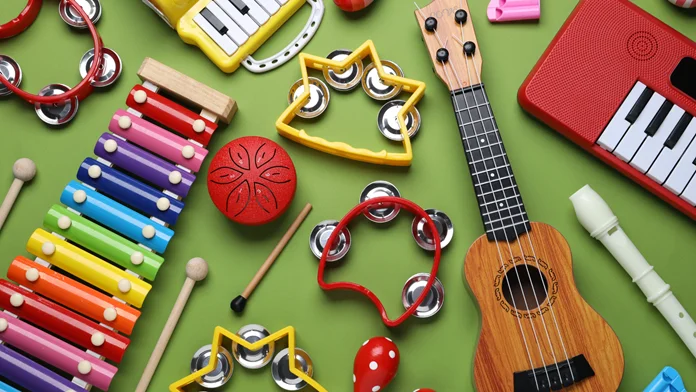
Many people assume that the window for learning an instrument closes after childhood, or that musical talent is something you are simply born with. However, this idea is not true. The benefits of learning music are available to everyone, regardless of age or background.
Picking up an instrument is a journey that remains open throughout life and brings positive effects that extend far beyond music itself. For parents and carers, introducing music into a young person’s world can be one of the most impactful and rewarding decisions they ever make.
A Workout for the Brain
Learning to play music is one of the best workouts for the brain. Think about what is involved. You are decoding a language of notes on a page, translating them into physical movements, and keeping time, all at once. This intense focus sharpens concentration in other areas, which is a huge help for everything from schoolwork to adult professional projects.
Memory also gets a serious boost, since players have to remember scales, chords, and entire songs. This complex coordination of hands, eyes, and ears builds new pathways in the brain, improving problem-solving skills along the way. These mental gains are just as important for an adult wanting to stay sharp as they are for a child whose brain is still developing.
Finding Your Own Voice and Standing Taller
Sometimes, words just aren’t enough. Music can be a way to let out all the feelings that get stuck inside. For a child who finds it hard to speak up, or any adult who needs a healthy way to de-stress, sitting down with an instrument is like a deep breath.
Benefits of learning music also teaches you to stick with something. You learn pretty quickly that progress isn’t magic. It comes from the quiet work you put in every day. And that feeling when you finally get a difficult part right after trying and trying? It’s a confidence boost that nothing else can quite replicate.
You may also like: A Complete Guide to Choosing the Right First Aid Training Course
Better Coordination and Stronger Connections
Playing an instrument is also surprisingly physical. It demands a special kind of dexterity. Consider the nimble fingers of a guitarist, the precise hand-eye coordination of a pianist, or the posture and deep breath control needed for a wind instrument, such as a flute. It’s a craft that truly connects the mind and body. And it is not just a solo activity. Far from it.
Music is a fantastic way to connect with other people. Joining a band or an orchestra teaches you how to cooperate, to listen to the people around you, and to work as a team toward a single, beautiful goal. It builds friendships based on a shared passion.
Getting Started without Breaking the Bank
Okay, let’s talk about the cost, because it can feel like a big hurdle. The good news is you don’t need a massive budget to get going. You can start with something small and fun, like a ukulele or a simple recorder, which are great for getting the hang of melodies. It’s also a smart idea to check local listings or online marketplaces for second-hand keyboards. You can often find a bargain.
For those receiving foster care allowances, using a portion of it to rent an instrument or pay for a few introductory lessons is a wonderful investment in a child’s future. And since we live in the digital age, there are countless free or low-cost tutorials online, which makes learning more accessible than ever before.
The good that comes from learning to play music really does ripple outwards. It’s one of those rare things in life where your age on the calendar is irrelevant. The benefits are there for anyone who wants to give it a try.
 How School Counseling Shapes Student Growth Beyond Academics
 How an MSN Can Change Your Nursing Career Path
 Should You Pursue a Health Informatics Master’s Degree?